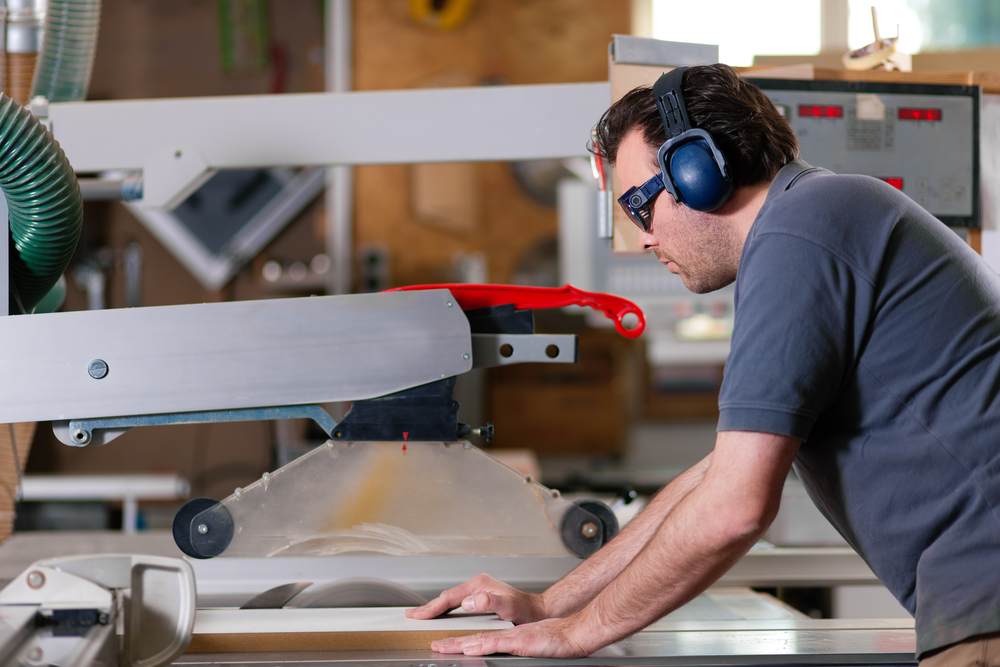
Your hearing health can be greatly affected by long-term noise exposure, especially in environments where noise intensity is greater than safe limits. You must defend your ears; this is necessary for not just preventing hearing loss—it also helps you keep focus in noisy conditions. So, how do you find the ideal level of hearing protection for your situation?
Understanding noise levels and their effects
The impacts of noise exposure aren’t just about intensity but also the length of exposure. The primary measurement for understanding noise levels is dB, a unit used to express sound intensity. When sound levels get to 85 dB or higher, they can begin to harm your hearing, particularly with extended exposure.
Consider that 85 dB matches the volume of city traffic noise perceived while sitting in a car. While this may not seem too loud, non-stop exposure for eight hours can begin to harm your hearing. The safe duration for exposure shrinks proportionally as the noise level rises:
- Damage can result with up to 4 hours of exposure at 90 dB (Lawnmower).
- Keep your exposure to 100 dB (Power tools) to less than 1 hour.
- Damage is possible after only 15 minutes at the 110 dB level (Leaf blower).
- 120 dB (Rock concert): Any exposure at this level can damage your hearing.
- 140 dB (Jet engine): Immediate damage and pain can occur.
Identifying risky noise levels
You must wear hearing protection when routinely exposed to 85 dB or louder volumes. This holds chiefly true in professional settings, such as plants, building areas, or anywhere where machinery, tools, or gear generate high levels of noise.
You can encounter dangerous noise levels even in recreational activities—such as attending concerts, utilizing leaf blowers, or shooting sports—making hearing protection wise outside of a job setting.
Selecting hearing protection: Noise Reduction Ratings
We assess the efficacy of hearing protection through its Noise Reduction Rating (the NRR). The NRR value shows the level of sound blockage, given in dB, that the unit provides. A greater decrease in sound is ensured by higher NRR ratings. As an illustration, earplugs rated at 30 dB NRR will decrease an 85 dB noise to 55 dB, ensuring you remain safely below the danger limit.
When deciding on your protection, you should evaluate the specific noise intensity you are exposed to and confirm the device offers the required reduction to keep the sound below 85 dB.
Why comfort is necessary for wearing hearing protection constantly
Comfort is a factor of equal importance to the NRR, as it directly affects whether you will use the protection consistently for the extended period. When the hearing protection is cumbersome or uncomfortable, you are inclined to remove it, which results in your hearing unprotected against hazardous noise.
The more comfortable the protector, the higher the chance you are to use it consistently, which effectively reduces the threat of intermittent exposure. To illustrate, bulky or ill-fitting earmuffs may be removed by the wearer now and then, exposing their ears to damaging sound levels.
Different choices of hearing protection to choose from
There are a few different varieties of hearing protection, and each has its own pros and disadvantages:
- Foam Earplugs: These sit inside the ear canal and offer excellent noise reduction. They’re lightweight and disposable but may feel uncomfortable for some users.
- Pre-Molded Earplugs are positioned slightly outside the ear canal; they are reusable—a more sustainable choice—and are also easier to handle than foam earplugs.
- Covering the whole ear, Earmuffs are perfect for settings where noise volume changes, as they can be easily removed and replaced. Their drawbacks include potentially feeling warm or heavy over a long period.
Choosing the best type depends on your preferences and the needs of your environment. For instance, workers in construction may prefer the convenience of earmuffs, while factory personnel might choose earplugs for all-day wear.
Making sure you wear it without fail
The protection that is worn without fail is, by nature, the best performing kind. Taking off the protection for even a few minutes can lead to lasting harm to your hearing. For this reason, finding a product that balances protection, comfort, and convenience is crucial.
Securing your auditory longevity
Noise is an ever-present presence in our lives, but with the appropriate hearing protection, you can shield your ears while still managing to appreciate the sounds around you.
Connect with us today to discuss your risk of noise-induced hearing loss and find out how to optimally preserve your hearing health.