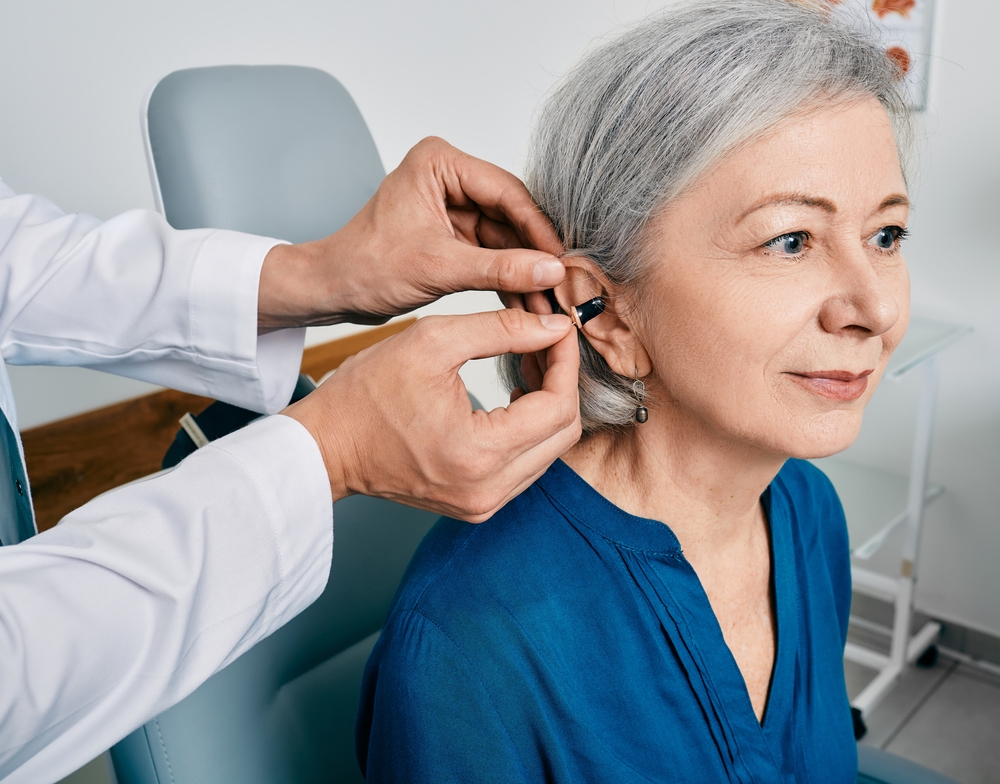
Getting fitted with hearing aids for the first time can be both thrilling and a little frustrating. Taking the initiative to enhance your hearing can have a powerful impact, enabling you to participate more fully in conversations, reinforce connections with friends and family, and restore a deeper connection to the sounds that enhance your daily life. With any unknown circumstance, it’s common to have concerns, especially regarding the comfort of wearing hearing aids and the time required to become accustomed to them.
New users often have apprehensions about the experience. Will the hearing aid be awkward or unpleasant to use? Will day-to-day sounds feel too loud? Will it take a long time to get used to them? Most individuals share these worries, yet with proper guidance and some patience, many discover that using hearing aids becomes a familiar and convenient aspect of their everyday routines.
Let’s explore what to anticipate during the adjustment period and how you can make the transition as smooth as possible.
What to expect during the preliminary adjustment period
So, are hearing aids uncomfortable? At first, they might take some getting used to, particularly if you’re not accustomed to having objects in your ears. Just like using a new pair of glasses or getting used to a wristwatch , it takes time for your brain and body to adapt.
You will notice the most significant changes in two main areas in the initial weeks of using hearing aids.
Physical sensation
You might at first detect some pressure or unfamiliarity in your ear canal. This is entirely normal. Many hearing specialists recommend easing into use, beginning with a few hours a day and gradually extending the duration.
A little discomfort is fine, but pain is not. If you experience soreness or pain from your devices, reach out to your hearing care professional without delay. They have the capability to tweak the fit or experiment with a different style that would be more appropriate for the shape of your ear.
Sound perception
One of the most unexpected parts of the adjustment process is hearing everyday sounds that you might not have noticed before.
At first, everyday sounds like the fridge’s gentle thrum, birds chirping, or the creak of your own footsteps can seem unusually loud. Accordingly, your brain is reacquainting itself with a wider spectrum of acoustic signals.
It might seem overwhelming, but your brain will gradually learn to filter out unimportant background sound and focus on what really matters, like voices and music. This is just your auditory system “retraining” itself.
Suggestions for increasing the comfort and efficiency of hearing aids
Luckily, there are various tactics available to assist in making you feel at ease and self-assured as you acclimate to your new hearing devices.
1. Start slowly
You don’t need to feel obliged to use your hearing aids all day instantly. Begin with one to four hours a day, particularly in quieter settings like your home.
As you become more familiar with the devices, you can incrementally increase your usage to a comfortable level.
2. Practice makes perfect
To help your brain adapt, use your hearing aids while taking part in stimulating activities. Enjoying an audiobooks while reading along or watching movies with subtitles can help improve speech recognition and enhance your listening skills in an enjoyable and stimulating way.
3. Keep communicating with your audiologist.
Fit and performance go hand-in-hand. If you notice any discomfort or notice something off, including the fit of the device or the sound quality, act right away. Your audiologist can calibrate your hearing aids and provide recommendations for improved benefits. In some cases, a custom-fit hearing aid may be the best approach for your unique ear shape and requirements.
Embracing your new hearing experience
You can expect a short transition time as you get used to using your hearing aids. With regular use, proper care, and support from your hearing specialist, your hearing aids will soon feel like second nature.
Rather than focusing on the device itself, your attention will shift to the joys of clearer conversations, nature sounds, music, and day-to-day interactions.
The key is patience, practice, and remaining proactive about your comfort. Soon, your hearing aids will not only improve how you hear, but also how you live.