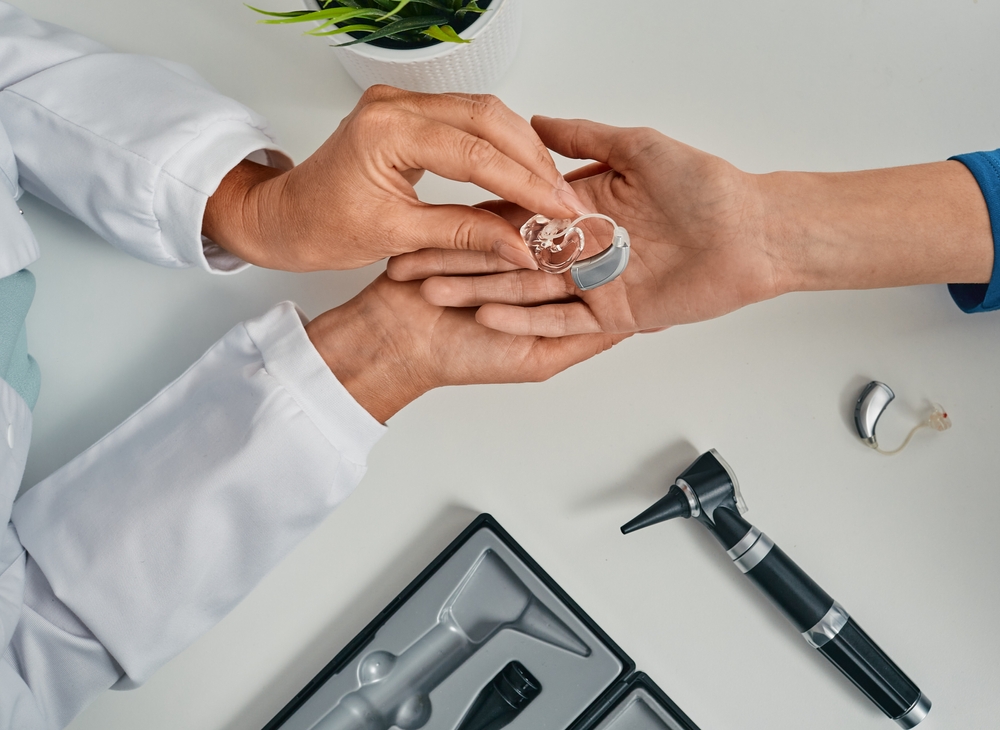
Hearing aids are essential for enhancing day-to-day communication by boosting the clarity of sound. For optimal performance, it’s essential to schedule routine maintenance and periodic expert cleaning sessions. With time, earwax, moisture, and debris can accumulate, resulting in decreased functionality. Recognizing when to seek professional servicing can help prolong the lifespan of your hearing aids and maintain optimum performance.
The importance of professional hearing aid cleaning
In spite of regular upkeep at home, hearing aids can slowly accumulate debris that could impact how well they work and the quality of sound they generate. Professional routine maintenance provides several major benefits:
- Deep Cleaning– Eliminates earwax, dust, and moisture that everyday cleaning tools might not effectively remove.
- Enhanced efficiency – Removes blockages that might result in muted audio or distortion.
- Extended Lifespan– Prevents early wear and tear, decreasing the need for repair work or replacements.
Routine professional cleanings keep your hearing aids working efficiently, decreasing the chance of unforeseen malfunctions.
Signals that your hearing aids require professional maintenance
Not certain if your device is due for a deep clean by a pro? Look out for these obvious indicators that it’s time to call in the experts:
- Unclear or Garbled Audio: If voices and background sounds appear feeble, muted, or altered, the problem might be caused by blockages, such as earwax or debris, obstructing the device’s microphone or speaker.
- Persistent Whistling or Feedback: A high-pitched whistling sound (feedback) can indicate wax buildup or an improper fit. Professional cleaning can help in clearing obstructions and fine-tuning the fit accurately.
- Issues with Volume Control: If adjusting the volume doesn’t seem to have the intended effect, internal components may require repair or software recalibration.
- High humidity can affect the device’s internal components, causing sporadic audio interruptions or unreliable button control. A professional repair professional can assess and resolve any moisture-related concerns.
- Noticeable Wax or Dirt Build-up: If you notice a substantial accumulation of wax or debris on your hearing aids, professional cleaning ensures a more complete removal than at-home care.
- Employ specialized tools to meticulously extract wax, debris, and moisture from sensitive components without causing harm.
- Inspect and repair components to verify all elements are working correctly.
- Check software and hardware for any performance problems impacting sound quality.
- Switch out deteriorated filters or tubing that may be limiting device performance.
- Every 3 to 6 months for standard maintenance.
- More regular cleanings are advised for people predisposed to excessive earwax accumulation or those living in humid environments.
- As soon as problems arise, dealing with modest problems early can avoid costly repairs.
What to expect during a professional hearing aid cleaning
A professional cleaning appointment goes past standard upkeep and ensures your devices function efficiently. Here a few things your hearing specialist will accomplish during a cleaning:
What is the suggested time frame for setting up professional maintenance?
The need for professional cleanings differs depending on factors like how much earwax is generated, the levels of moisture, and how the device is typically used. General recommendations include:
Keep your hearing aids in top condition
To keep your hearing aids working efficiently and delivering crisp, clear audio, it’s essential to schedule regular exams and maintenance with a hearing care professional.
If distorted sound, echoing, or technical problems are disrupting your experience, it’s likely that a thorough, expert cleaning is in order.
Schedule your hearing aid cleaning and maintenance now.